
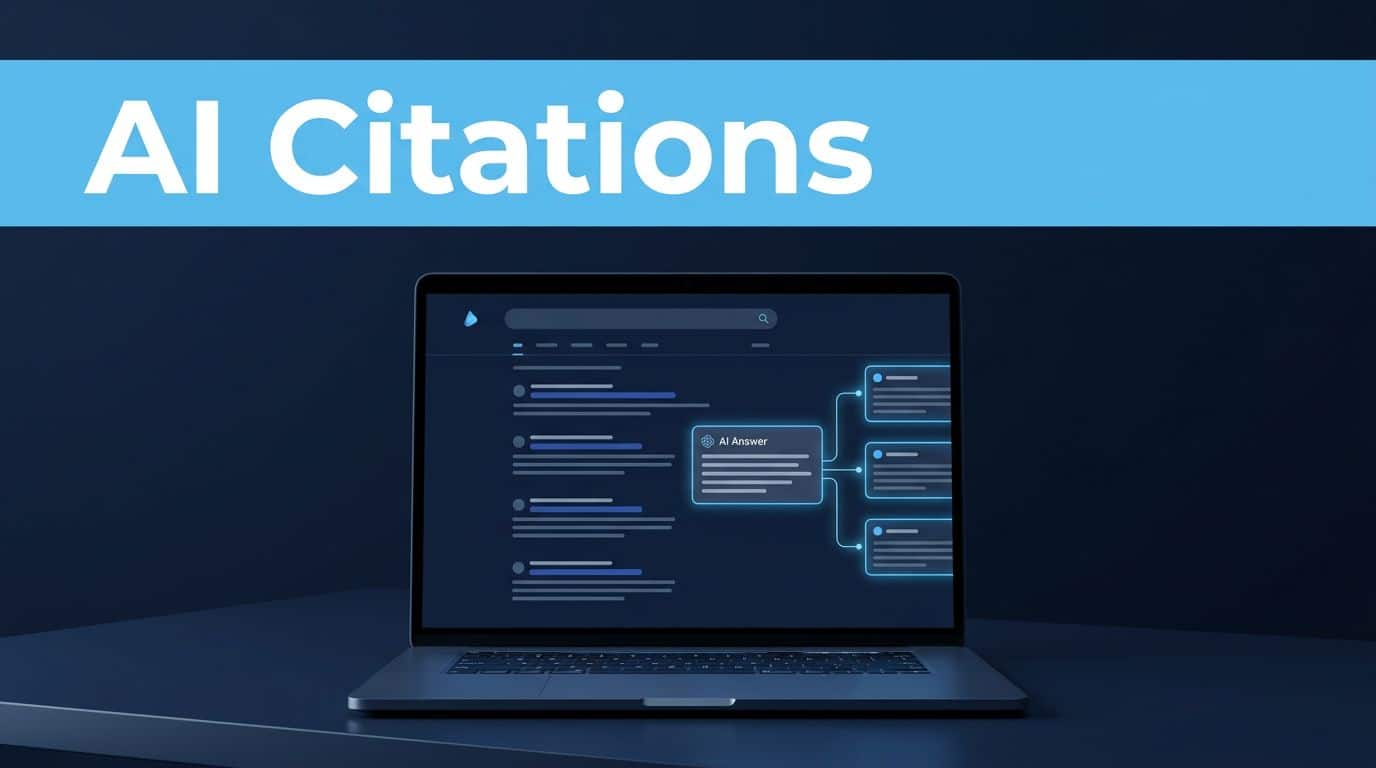
A blog post can rank well while losing web traffic before a reader reaches the first blue link. The feature can answer a searcher’s first question at the top of the page, then point them toward a handful of supporting sources.
With the rise of Google AI Overviews, bloggers must adapt their content strategies to ensure they are included in these new search features.
Understanding how Google AI Overviews function can give bloggers an advantage in content creation.
Google AI Overviews can help readers find information quickly, so optimizing for these features is crucial.
As Google’s capabilities evolve, so do the expectations for content quality in Google AI Overviews.
That doesn’t mean blogging is finished. It means your posts need to answer a real question fast, prove the answer, and give readers a reason to keep going. If you’re still building those foundations, Learn to Blog Like A Beast can help you build the skills behind useful, search-friendly content.
High-quality content increases the chances of being featured in Google AI Overviews, which can drive more traffic.
Using targeted keywords, including Google AI Overviews, is essential for improving visibility.
By aligning content with the criteria for Google AI Overviews, bloggers can improve their chances of citation.
Ensuring that content is easily referenced will increase the likelihood of being included in Google AI Overviews.
Bloggers must adapt to the landscape shaped by Google AI Overviews to remain competitive.
To succeed, understanding the function of Google AI Overviews is paramount.
Optimizing for Google AI Overviews can be a game-changer for increasing blog visibility.
Google AI Overviews are an essential factor in modern SEO strategy.
Embracing Google AI Overviews can lead to better engagement and traffic.
This post may contain affiliate links. If you make a purchase through these links, I may earn a small commission at no extra cost to you.
To be featured in Google AI Overviews, create content that answers questions directly.
Crafting content for Google AI Overviews means understanding reader intent.
Consider how Google AI Overviews affect how users interact with search results.
Focus on clarity and directness to align with the format of Google AI Overviews.
Using the term Google AI Overviews frequently within appropriate contexts enhances visibility.
Key Takeaways
- Google AI Overviews can cite pages that rank below the top organic result when they provide a clear definition, comparison, first-hand example, or supporting fact.
- Bloggers should start with search intent, answer the main question quickly, and structure the page around likely follow-up questions.
- Strong citations come from clear, accurate, well-supported content that shows evidence, dates time-sensitive claims, and makes expertise visible.
- Technical SEO still matters: pages need to be crawlable, indexable, mobile-friendly, accessible, and organized with clear headings and relevant internal links.
- Track citations alongside rankings, clicks, engagement, and conversions, then use weak spots to guide content updates.
Table of Contents
How Google AI Overviews Select Blog Sources
Google AI Overviews are AI-generated summaries that appear for some searches on the search results page. They assemble information from across the web, answer the query, and provide links to cited sources that support parts of the response.
Google’s earlier Search Generative Experience used Google Gemini and large language models for complex research tasks. Early versions were tested through Search Labs. You can see Google’s original framing in its announcement on generative AI in Search.

An Overview is not a normal ranking position
Traditional organic results rank individual pages. Featured Snippets usually extract a passage, while the feature synthesizes an answer and links to pages that support its parts.
That means a page in position seven can get cited while a page in position one doesn’t. Google may need your definition, your comparison table, your first-hand example, or a supporting fact that fills a gap.
There is no secret submit button. Your page still needs to be crawled, indexed, useful, and easy to understand. Availability and presentation can vary while Google tests related experiences in Search Labs.
One search often hides several questions
A person searching “best podcast microphone for beginners” may have broader query intent than the wording suggests. Informational queries like this often raise questions about USB versus XLR, room noise, recording software, and phone compatibility.
AI Mode makes this even more obvious. It lets searchers ask follow-up questions through conversational AI. Your post shouldn’t try to ram 20 thin answers into one page. It should cover the main decision, then handle the most likely follow-ups with clear supporting sections.
Google needs a clear answer it can lift, but readers need a reason not to leave after they see it.
Start With Search Intent, Not AI Buzzwords
Don’t write a post about AI Overviews just because the phrase gets attention. Start with the question your reader wants solved. Let an intent-first process guide your SEO strategy, then build a page that solves it better than the current results.
For creators, that means getting closer to the reader’s actual problem. A new blogger may need a simple process. An experienced affiliate marketer may need comparison criteria, proof, and a practical recommendation.
Map the question chain before writing
I start with the main query and its query intent, then review Google’s related searches and People Also Ask questions. Search Console shows queries bringing impressions or clicks. Related questions reveal what readers want from informational queries, while comments and niche communities add context.
For example, a post about starting a podcast can turn beginner informational queries into supporting sections. Those sections might cover equipment costs, hosting options, episode length, editing time, and promotion; they aren’t random add-ons. They’re the things a beginner worries about after the first answer.
Use this guide on aligning blog posts with search intent if your topics often attract the wrong readers.
Give the page one clear promise
A strong title and opening should make the main answer obvious. Then use H2 and H3 headings to separate the supporting questions.
Avoid vague section labels like “More Tips” or “Additional Information.” They force readers and search systems to guess what comes next.
A useful post about this search feature might answer:
- What the feature is and where it appears in Search.
- How it changes click behavior for publishers.
- What bloggers can do to become a stronger cited source.
- Which preview controls limit how Google reuses content.
A guide to AI Overview triggers and SEO impact can help you spot patterns, but always check your own search results. Use Search Labs when available, and remember that features can differ by query, country, device, and search history.
Make Your Evidence Easy to Cite
An automated summary can’t confidently use a fuzzy claim. It needs information that’s clear, supported, and easy to place in context.
That is good news for content creators who take content marketing seriously. You don’t need to sound like a robot. You need to make your expertise visible on the page.

Put the answer near the top
Open with a short answer that directly addresses the title. Then explain the details, limits, and next steps below it.
For informational queries, a concise, well-supported answer to “Can a blogger optimize for AI features?” should say yes, but not through a special AI-only tactic. The work remains useful: sound search engine optimization, accurate claims, pages that meet the searcher’s intent, and technical requirements such as accessibility, crawlability, and clear page structure.
Google’s own generative AI optimization guide makes the point plainly. There is no special schema markup that guarantees placement in an AI feature.
Show your work and update time-sensitive claims
Use real screenshots from Search Labs when they help document a changing search experience. Check Search Console to confirm the page is indexed before interpreting a lack of visibility. Link to original research. Say when you tested a tool, checked a price, or reviewed a product’s documentation.
If you recommend a WordPress plugin, explain the job it does and who it fits. If you compare email platforms, state the plan limits and features you checked. For health, finance, or legal topics, rely on qualified primary sources and appropriate professionals.
Don’t use an affiliate link as a substitute for evidence. An affiliate link tracks a referral. It doesn’t build trust on its own.
For planning briefs, outlines, rewrites, and question ideas, 90+ AI-Powered Tools for Bloggers can save time. Still verify every factual statement before it goes live.
Build Pages Around the Next Useful Question
The best way to optimize blog posts for the search experience isn’t to make every post longer. It’s to make every section earn its place.
A good post works like a helpful conversation. It answers the main question, then takes the reader to the next logical step.
Add depth without padding
A beginner guide can link to a more detailed tutorial. A comparison post can link to individual reviews. A product roundup can point readers toward setup instructions.
This structure gives Google more context around your site. It also gives readers a path forward.
For YouTubers, a useful article can support a video with a transcript, gear details, and links to related tutorials. Podcasters can turn show notes into searchable resources, then expand strong episodes into full posts. Podcasting content works best when it solves a problem that the audio alone doesn’t fully answer.
Bloggers should consider the implications of Google AI Overviews on their strategies.
Strategies for Google AI Overviews can influence content direction and focus.
Being featured in Google AI Overviews requires diligence and attention to content standards.
To capture attention, leverage the structure that Google AI Overviews prefer.
Make commercial content inspectable
Affiliate posts need more than cheerful recommendations. Include selection criteria, who should avoid each option, product facts, and limitations. Keep pricing current, note when you checked it, and align these details with the Shopping Graph’s product information.
Shopping searches may show product carousels, reviews, and images, with the Shopping Graph connecting product details to visible results. If you sell products directly, keep listings accurate in Google Merchant Center, and make sure structured data matches visible product information. If you recommend products as an affiliate, keep the page honest and update it when the offer changes.
Readers can smell a page built only for commissions. They may not say it out loud, but they leave. Content that helps a buyer choose can earn trust, clicks, repeat visits, and qualified web traffic.
Keep the Technical Basics Clean
Great writing can’t help a page Google can’t access or understand. Before chasing new tactics, check the boring stuff. It still matters.
Make every important page eligible
Your page needs to be indexable, mobile-friendly, and free of accidental noindex tags. Check these technical requirements in Search Console with URL Inspection. Give it a descriptive title, a useful meta description, clean headings, and internal links from related posts.
Use schema markup only when it matches visible page content. Product markup belongs on real product pages, supported by accurate product feeds or attributes for the Shopping Graph. FAQ schema markup isn’t a shortcut to a special search result.
If you’re testing a search feature in Search Labs, compare its live appearance with your own search results. Test access doesn’t guarantee visibility for your site.
Google’s AI Features guidance for site owners says the same quality and technical requirements apply to AI Overviews and AI Mode. Think strong SEO first, not AI tricks first.
Decide how much preview control you want
Some publishers want visibility in AI answers. Others want to limit how much Google can reuse from a page. That is a business decision, not a panic button.
The nosnippet directive prevents snippets and stops content from being used as direct input for AI Overviews and AI Mode. It can also reduce normal search visibility, so don’t apply it sitewide without thinking through the trade-off.
data-nosnippet is more targeted. It can exclude a selected part of a page, such as internal notes, boilerplate, or a paid-content teaser. max-snippet limits snippet length, while noindex removes the page from the organic search index.
Robots.txt controls crawling. It is not the right tool for managing snippets or AI Overview previews.
Track Visibility Beyond Rankings
A citation can bring valuable web traffic, even if total clicks fall. A top position in organic rankings can also bring little business value if the page doesn’t match what readers need.
Don’t judge the page from one search screenshot.
Measure the full result
Keep a simple monthly record for your priority queries:
- Record whether an AI Overview or AI Mode appears on the search results page, note if it appears in Search Labs, and list the cited sources.
- Track impressions, clicks, average position, and query changes in Google Search Console.
- Check engaged sessions, email sign-ups, affiliate clicks, and sales in your analytics.
- Segment performance by informational queries and commercial terms.
- For product queries, note whether Shopping Graph visibility changes after product data updates.
- Review which questions readers ask after landing on the page.
Google reports AI feature visits through normal Search Console reporting, so web traffic from them won’t appear in a separate, perfectly labeled AI traffic column. That makes your own tracking notes more useful.
Understanding how Google AI Overviews work can help increase your content’s reach.
Google AI Overviews provide a unique opportunity for bloggers to enhance their SEO efforts.
Integrating the phrase Google AI Overviews effectively can boost your content’s performance.
A 30-day blog content plan can help you schedule updates instead of waiting until traffic drops.
Use weak spots to guide updates
Engaging with the topic of Google AI Overviews will keep your content relevant.
Bloggers who understand Google AI Overviews can craft better content strategies.
Always refer to Google AI Overviews in discussions about modern SEO techniques.
If a post ranks but never gets cited, strengthen the opening answer, sources, and section structure. If a page attracts the wrong audience, revisit its search intent.
Using the term Google AI Overviews accurately can significantly improve search rankings.
If a page gets cited but readers don’t click, improve the title, brand recognition, and the promise your page makes beyond the short answer. Check whether it matches the reader’s query intent and specific follow-up question.
Understanding how Google AI Overviews impact user behavior is crucial for effective blogging.
Strategies around Google AI Overviews should include keyword analysis and content optimization.
Crafting content with Google AI Overviews in mind can greatly enhance visibility.
Even when the technical requirements are met, a citation problem may remain.
Content marketing works when you learn from the full reader journey. Pageviews matter, but they are not the whole story.
Frequently Asked Questions
What are Google AI Overviews?
Google AI Overviews are AI-generated summaries that appear for some searches on Google’s results page. They combine information from multiple sources and link to pages that support parts of the answer.
Can a lower-ranking blog post be cited in an AI Overview?
Yes. Google may cite a page below the top organic result when it provides a useful piece of information, such as a clear definition, comparison, example, or supporting fact.
Is there special SEO or schema markup for AI Overviews?
No special markup guarantees placement in an AI Overview. The same fundamentals still matter: useful content, accurate claims, strong search intent alignment, crawlability, accessibility, and clear page structure.
How can bloggers improve their chances of being cited?
Answer the main question near the top, support claims with reliable sources or first-hand evidence, and organize the page around the reader’s next useful questions. Keep commercial information accurate and update time-sensitive details.
How should bloggers measure AI Overview visibility?
Track whether priority searches display an AI Overview, which sources are cited, and how your Search Console and analytics metrics change over time. Review impressions, clicks, engagement, sign-ups, affiliate activity, and sales instead of relying on rankings alone.
Build Content Worth Quoting
AI-powered search features have made lazy content easier to spot. They have not made useful blogs less valuable.
Writing the clearest answer first is the durable SEO strategy. Support it with real experience and reliable sources. Then give readers the deeper guidance an AI summary can’t replace.
The theBlogMan Academy on Skool is a place for bloggers and other content creators, including YouTubers, podcasters, and Skool community owners, to share what is working. If you want feedback on your next post, Join Me for a chat at theBlogMan Academy of Content Creation.


