
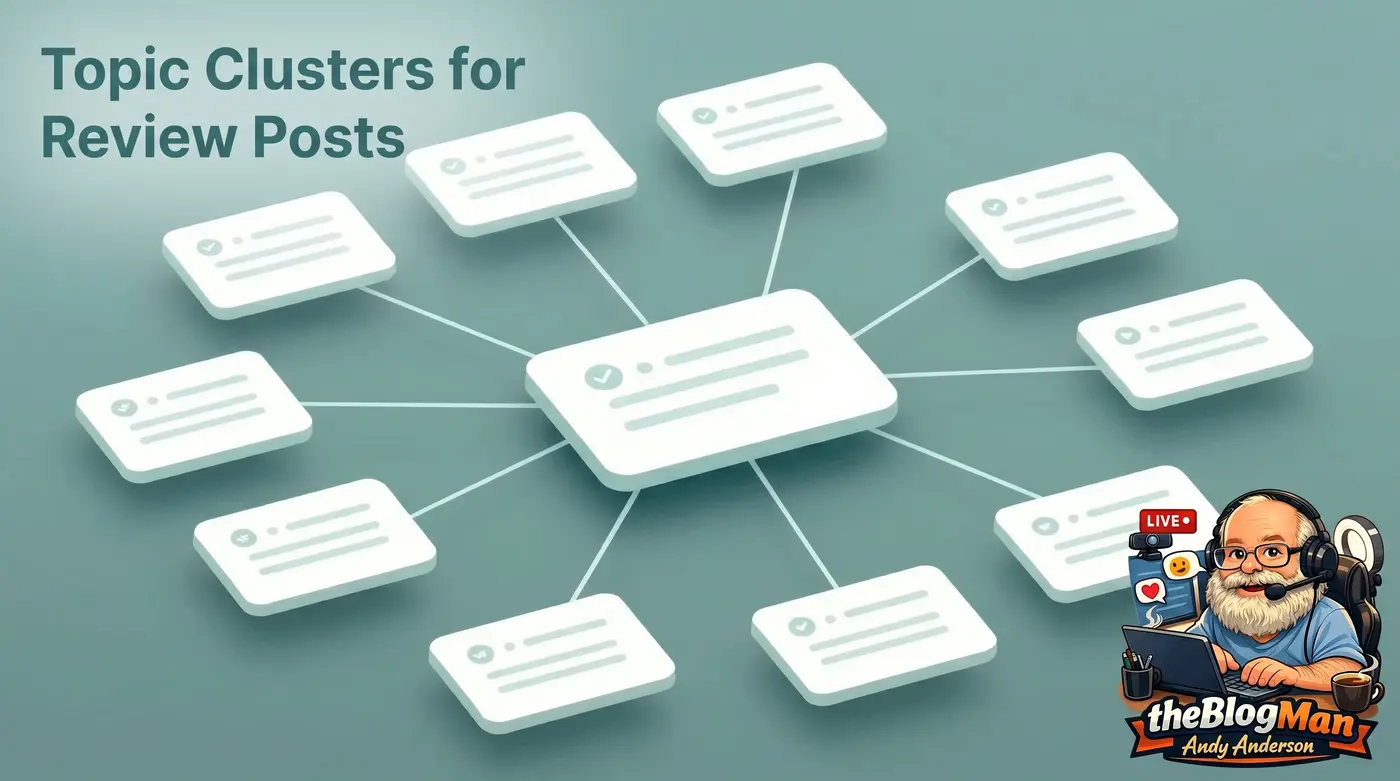
A single review post can sell, but it sells better when it’s part of a topic cluster for review posts instead of sitting on its own. New bloggers and affiliate marketers often publish one isolated review, get a little traffic, then wonder why readers leave without taking the next step. Understanding the dynamics of topic clusters for review posts can significantly enhance your strategy. By utilizing topic clusters for review posts, you ensure that each review contributes to a larger narrative, guiding your audience through their buying journey.
That’s the problem. One review can answer a buying question, but it usually doesn’t build enough trust, cover enough objections, or point readers toward the right choice. A cluster fixes that by surrounding the main review with related posts that help people compare options, understand use cases, and move from research to purchase with less friction. By leveraging topic clusters for review posts, you create a more comprehensive experience for your audience.
Exploring topic clusters for review posts offers a strategic advantage that can lead to higher conversions, better user experiences, and increased organic traffic. This approach transforms isolated reviews into interconnected resources that serve your audience effectively.
If you’ve been treating every review like a standalone page, you’re leaving money on the table. Pairing your reviews with effective niche research for bloggers gives you a cleaner structure, stronger topical coverage, and more chances to match buyer intent at different stages. Implementing topic clusters for review posts is a game-changer for maximizing your content’s potential.
The rest of this post will show you how to turn that structure into something that feels helpful first, and sells better because of it.
Incorporating topic clusters for review posts into your content strategy allows for enhanced visibility in search engines, ultimately driving more targeted traffic to your site.
The effectiveness of topic clusters for review posts lies in their ability to provide readers with a comprehensive understanding of their options, ultimately leading to informed purchasing decisions.
Utilizing topic clusters for review posts allows for a strategic approach that not only improves SEO but also enhances reader engagement.
Table of Contents
What makes a review post part of a real topic cluster?
A real topic cluster is not just a pile of related articles. It has a clear center, a clear purpose, and pages that talk to each other instead of sitting alone like strangers at a party.
Creating topic clusters for review posts can differentiate your content in the crowded digital landscape, helping you stand out to both readers and search engines.
For review posts, that means one page takes the lead on a broad buying topic, and the rest answer narrower questions around it. The result feels more natural for readers, because they can move through the research process one step at a time instead of bouncing between disconnected posts.

Utilizing topic clusters for review posts also means you can create a cohesive narrative that guides the reader through the purchasing process effortlessly.
Incorporating topic clusters for review posts in your overall content strategy will not only boost your SEO but will also create a more engaging experience for your audience.
The difference between a standalone review and a cluster-based review
This strategic approach of using topic clusters for review posts emphasizes the importance of internal linking, which enhances the reader’s journey through related content.
To maximize the effectiveness of topic clusters for review posts, consider integrating user feedback and continually updating your content to reflect the latest buyer questions.
A standalone review tries to do everything at once. It covers features, pros, cons, comparisons, pricing, use cases, and buying advice in one big page, then hopes the reader finds what they need before clicking away.
A cluster-based review is more focused. It answers one buyer’s question well, then sends readers to related posts when they want the next layer of detail. That might mean a pillar page for the main topic, plus supporting reviews for use cases, comparisons, or alternatives. Google’s own search guidance on helpful content puts a lot of weight on content that gives people the next useful step, not just more words.
Think about home gym gear. A broad pillar page might cover the best equipment for a small home gym, while supporting posts handle questions like adjustable dumbbells, foldable benches, or treadmill alternatives. Each page does one job, and none of them has to repeat the whole story.
That structure keeps the reader moving. First, they learn what matters, then they compare options, then they narrow the choice.
Why Google and readers both like connected content
In summary, embracing topic clusters for review posts is integral to building a solid foundation for your content marketing strategy.
Connected pages make the topic easier to understand. Search engines can see how the pages fit together, and readers can find the answer they need without starting over.
That matters because trust builds faster when the path is clear. If someone lands on a review and sees links to a comparison, a beginner guide, and a best-for-X post, the site feels organized and useful. For a simple breakdown of how pillar pages and supporting content work together, Ahrefs explains topic clusters well.
A review post becomes part of a real topic cluster when it helps the reader move forward, not when it tries to be the final word on everything.
In practice, that means one subject, multiple angles, and smart internal links between them. The pages should feel like parts of one buying conversation, not copies of the same review with different headlines.
Choose one money topic before you write a single review
A review cluster starts with one money topic, not five random product ideas tossed into a folder. Pick the topic first, and the rest gets easier because every post has a clear job.
The best topics are specific enough to convert and broad enough to support more than one angle. That sweet spot is where topic clusters for review posts start pulling their weight.

Look for a topic with enough buyer questions to build around
Start with the questions people ask before they buy. Those questions are the raw material for your cluster, and they tell you whether the topic has real commercial value.
Good money topics usually attract searches like:
- Best for beginners, when the reader wants an easy start
- Best under a budget, when price matters most
- Best for small spaces, when size is the main limit
- Best for a certain use case, like travel, apartments, pets, or home offices
- Best alternatives, when people are still comparing options
If a topic can support several of those angles, it has room to grow. That means one main review can sit beside comparison posts, beginner guides, and use-case breakdowns without forcing the same points over and over.
A topic with buyer questions also gives you natural internal links. For example, a broad niche like home gear can branch into focused posts around content creation strategy training and related buying guides when the fit is right.
If you can only think of one post idea, the topic is probably too thin.
For a quick sense of buyer intent, think in three steps: learning, comparing, buying. Buyer intent helps you match each post to the stage your reader is in, instead of guessing.
Avoid topics that are too broad or too narrow
A topic like fitness is too broad. You could write forever and still not cover it well. A topic like one exact product model is too narrow, because it leaves you with nowhere to expand.
The middle ground is where the cluster works. Think in terms of a product category, a problem, or a buying situation. That gives you enough search demand to build around, but keeps the topic focused enough that the posts feel connected.
A strong topic usually has:
- Clear buyer intent so readers are close to purchase
- Enough product depth to compare features, sizes, or styles
- Multiple natural subtopics that can become supporting posts
When a topic has all three, your content stops feeling random. One post leads to the next, and each one helps the reader get closer to a decision.
Plan the cluster so each page answers a different buying question
The cleanest way to build topic clusters for review posts is to stop thinking in broad article ideas and start mapping buyer questions. One page should handle the big picture, then every supporting page should answer one narrow question the reader actually asks before buying.
That keeps the cluster useful. It also keeps it from turning into a pile of near-duplicate reviews that all say the same thing in different words.

Build a pillar page that gives the big picture
Your pillar page should be the main guide or roundup, not the deepest review. It gives readers the broad view, explains what matters in the category, and helps them sort through the field before they get into the weeds.
Think of it like the map, not the destination. If someone is shopping for a product, the pillar page should answer questions like:
- What are the main options?
- What features matter most?
- Which type fits different buyers?
- Where should I go next if I need more detail?
That page can point readers to the more specific posts when they need them. A good pillar page keeps the site organized and saves you from repeating the same buying advice in every article. If you want a simple reference on why connected content works, CoSchedule’s topic cluster overview explains the structure clearly.
Write supporting review posts around long-tail search intent
By designing topic clusters for review posts, you can ensure that each piece of content is strategically aligned to address specific buyer questions, enhancing user satisfaction.
Supporting posts should go after narrower searches, like best for women, best for beginners, best without dairy, or best for small spaces. Each one should answer a single question well, instead of trying to cover every angle and every buyer at once.
That focus matters. A reader searching for “best for beginners” does not want a full category history lesson. They want a direct answer, a short list of good options, and a reason each one belongs there.
Good support posts often include:
- Comparison posts for readers choosing between two or three products
- Use-case posts for situations like travel, apartments, or offices
- Problem-based posts for pain points like noise, space, or maintenance
- Audience posts for beginners, women, parents, or first-time buyers
Each post should feel like a single tool in the kit, not a copy of the whole toolbox.
Group posts by use case, audience, and pain point
The easiest way to plan the cluster is to sort ideas into folders before you write. Start with one broad topic, then split the possible posts into simple buckets like budget, skill level, special features, and specific problems.
A basic planning method looks like this:
- Pick the main product category or buying problem
- List the questions people ask before buying
- Sort those questions into groups
- Assign one page to each question
For example, a laptop cluster might include budget buyers, students, creators, and small-space users. A food product cluster might break into dairy-free, high-protein, beginner-friendly, and family-size options. The pattern stays the same, even when the topic changes.
One page, one job. If a post tries to do three jobs, the cluster gets messy fast.
That simple rule keeps the whole structure clean and easy to use. It also makes internal linking obvious, because every supporting page has a clear place in the buying journey.
Write review posts that move readers toward a decision
A review post should do more than describe a product. It should help the reader feel like the next step is obvious. That means the page needs a clear path, a calm tone, and enough detail to answer the question behind the search.
When people land on a review, they usually want one thing fast: Should I buy this, or keep looking? If your content gives them a quick read on fit, value, and trade-offs, it feels useful. If it feels like a sales pitch, they back out.

Open with the buyer’s problem, not a product summary
Start with the pain point the reader already has. That could be a cramped workspace, a weak feature set, a limited budget, or a product that keeps falling short. The faster you match that need, the faster the review feels relevant.
Then tell the reader who the product is best for. A simple line like “This is a strong fit for first-time buyers who want something easy to use” does more work than a long feature dump. It gives the reader a frame before they hit the details.
A good opening does three things:
- Name the problem clearly
- Shows why the product matters
- Signals the best-fit buyer
That first paragraph should feel like a shortcut, not a detour. Readers keep going when they feel understood, and that trust does more for conversions than hype ever will.
Use simple product comparisons that make the choice easier
Comparison should feel like a useful nudge, not a debate club. Keep it short, clear, and tied to the reader’s real decision. Compare products by features, price, quality, and best use case, then move on.
A table works well when the differences are easy to scan:
| Product | Best for | Price | Main strength |
|---|---|---|---|
| Option A | Beginners | Lower | Easy setup |
| Option B | Heavy use | Higher | Better build |
| Option C | Tight budgets | Mid-range | Strong value |
The point is not to list every spec. The point is to help the reader rule things out. If they can see which option fits their situation, they’re closer to buying.
A review also feels stronger when it includes honest pros and cons. Short, direct trade-offs build confidence because they sound like real judgment, not copy-paste praise. If you want a deeper look at how high-converting reviews are structured, Matt McWilliams breaks down affiliate reviews well.
Place affiliate links where they feel helpful, not forced
Links work best when they show up at the moment of interest. Put one after a recommendation, one inside a short product summary, or one near a clear call to action. That gives readers a natural place to click without stuffing the page.
By aligning your content with the principles of topic clusters for review posts, you can create a seamless flow that encourages engagement and drives conversions.
The mistake is linking every few lines. It makes the review harder to read and pushes the sales angle too hard. Readers are more likely to buy when they feel informed, not pressured.
A simple pattern usually works:
- Explain the problem
- Show the best-fit option
- Add a link right after the recommendation
- Repeat the link near the final decision point
That keeps the page useful first and sales-focused second. The review still moves people toward a decision, but it does it with steady guidance instead of a hard sell.
Use internal links to turn separate posts into one strong sales path
Internal links are what keep a cluster from feeling like scattered posts. They guide readers through the same buying path, so broad research leads to focused reviews, and focused reviews lead to a decision.
Think of the pillar page as the main road. It should send readers to the next page that fits their question, not just any page with a related keyword. If someone wants a broad comparison, link them there. If they need a beginner’s guide, send them there instead. That kind of routing makes the site easier to use and keeps people moving.

Link from the pillar page to the posts readers need next
Your pillar page should point readers to the most relevant supporting post based on intent. A reader who wants the best overall option may need a comparison page. Someone who is still learning may need a setup or beginner post first.
Keep the anchor text clear and specific. “Best budget option” tells the reader more than “read this post,” and it tells search engines more, too. Yoast’s guide to internal linking makes the same point: use links that match the page topic.
A simple rule helps here: broad page first, narrower page second. That keeps your pillar page useful without trying to answer every question on its own.
Link supporting reviews back to the pillar for context
Every supporting review should link back to the pillar page when the reader needs the full picture. That gives them a way to step out, compare the wider category, and see how the post fits inside the cluster.
This matters for user experience. A support post should not feel like a dead end. It should feel like one room in a larger house, with the main guide just a click away.
The strategy of utilizing topic clusters for review posts is designed to keep the reader engaged and informed, paving the way for a smoother buying process.
When you do this well, readers stay inside the cluster longer, and your topic coverage feels tighter. A broad guide and a supporting review work better together than either one does alone.
Cross-link related reviews when a comparison would help
Some support posts should link to each other, especially when the reader is choosing between two similar options. That works well for two products in the same category, two budget levels, or two use cases that overlap.
For example, a post on one beginner product can point to a post on the premium version if the reader may outgrow the first choice. A budget review can also link to a higher-end alternative when price is not the only factor.
Keep it selective. Too many links blur the path and make the page feel stuffed. Link only when the comparison helps, and make sure each link matches the page topic exactly. Clear anchor text and the right destination are doing the heavy lifting here, not link volume. Semrush explains why clear internal link text matters, and that rule holds up in review content too.
Keep the cluster fresh so it keeps earning traffic and sales
A topic cluster for review posts is not a one-and-done project. Products change, search behavior changes, and readers keep asking new questions. If you leave the cluster alone, it starts to feel like a shelf of old boxes instead of a working sales path.

The best clusters grow with the topic. That means you add new support posts when new buyer questions show up, and you tighten older pages when the market shifts. A reader who lands on a fresh, useful cluster sees a site that still cares about accuracy, not just clicks.
Add new support posts when new buyer questions show up
Watch for questions your current posts do not answer yet. Maybe readers keep asking about a new product type, a new feature, or a fresh trend in the niche. That is your cue to add another support post.
Effective topic clusters for review posts encompass a range of buyer-focused content, ensuring that every aspect of the purchase journey is covered.
New posts should fit the cluster naturally, not feel forced. If your review cluster covers budget laptops, and people start asking about battery life for remote work, that becomes a strong support piece. If a category starts splitting into new styles or models, those differences can become their own pages too.
The integration of topic clusters for review posts fosters a learning environment for readers, allowing them to make informed decisions based on comprehensive insights.
A healthy cluster usually expands in simple ways:
- A new comparison post when two products keep getting compared
- A use-case post when readers want help for a specific situation
- A trend post when a new product type starts getting attention
- A beginner post when new buyers need a softer entry point
That kind of growth keeps the cluster useful. It also gives you more internal paths to guide readers toward the right product instead of stopping at one review.
Refresh old reviews so they stay accurate and useful
Old reviews need regular cleanup. Prices change, features change, and recommendations go stale faster than most bloggers expect. A post that felt sharp last year can look sloppy today if it still talks about outdated specs or missing options.
Update the pages that matter most first. Check product availability, swap in current picks, fix dead links, and replace weak examples with ones that match what buyers care about now. If the best choice has changed, say so. That honesty builds trust.
A quick refresh can also improve the sales side of the page. Stronger product descriptions, clearer pros and cons, and tighter calls to action give readers less room to hesitate. The cluster works better when every page feels current, connected, and worth reading again.
Conclusion
Topic clusters for review posts work because they stop each page from fighting for attention. The pillar page gives readers the big picture, the support posts answer the smaller buying questions, and the internal links keep the whole path clear.
That setup does not require a huge site or a giant content plan. You just need one clear money topic, one strong pillar page, a few focused reviews, and links that make sense for the reader.
If you are just starting out, keep it simple. Pick one topic that has real buyer intent, then map out the first three support posts around the questions people ask before they buy. That is enough to turn one review into a cluster that helps readers decide and gives your content a better shot at selling.
Regular updates to your topic clusters for review posts can ensure that your content remains relevant and authoritative in a rapidly changing marketplace.
Crafting topic clusters for review posts requires a focused approach that prioritizes reader needs and aligns with their search behaviors.
Implementing topic clusters for review posts not only enhances your content structure but also improves the user experience by providing clear navigation paths.
As you develop topic clusters for review posts, ensure that your internal linking strategy is robust, connecting related content effectively.
Ultimately, a well-structured approach to topic clusters for review posts can lead to improved user satisfaction and increased sales opportunities.
By focusing on topic clusters for review posts, you’re not just enhancing your SEO but also creating a more valuable resource for your readers.
In conclusion, the use of topic clusters for review posts can transform your content strategy and yield long-term benefits.


