
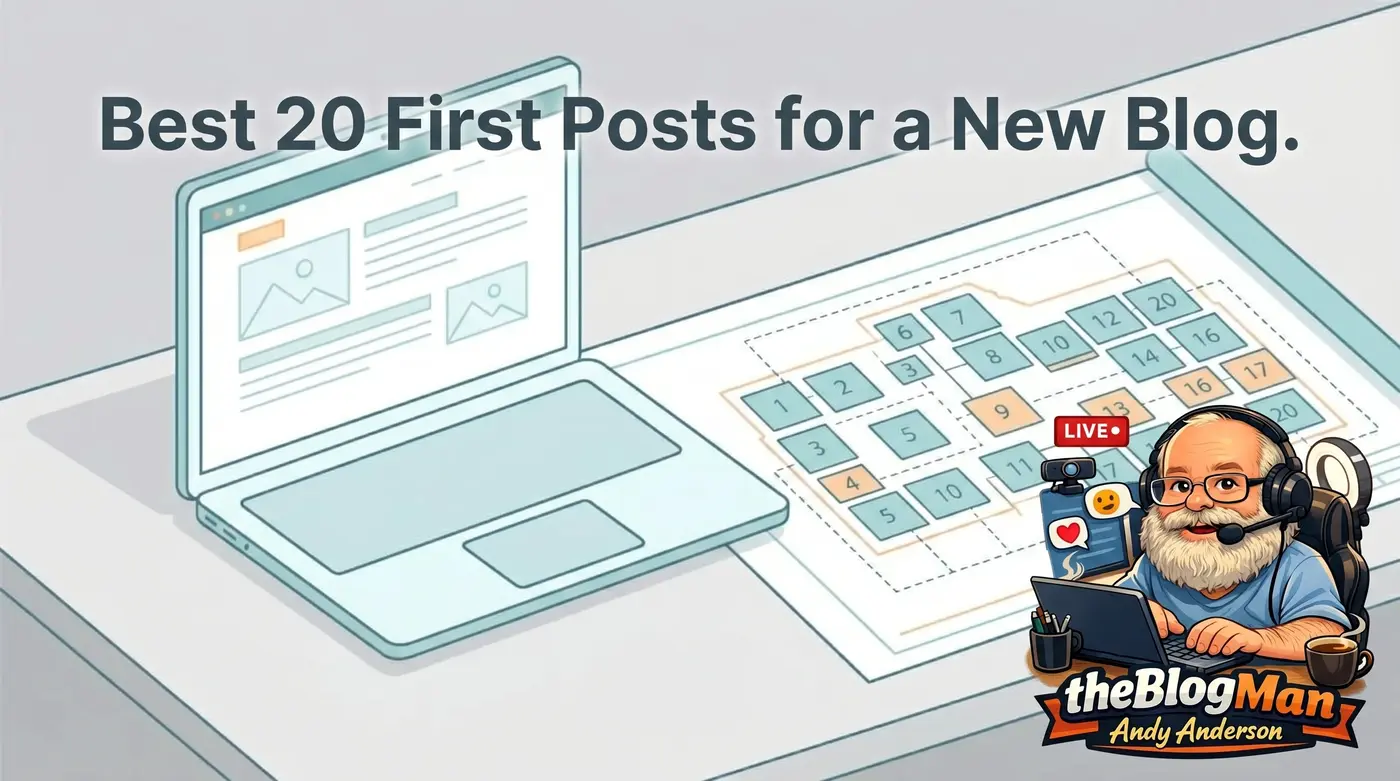
That blank screen can mess with your head when you are staring down your first blog posts. You think you need brilliance on day one, when what you really need is direction. Think about how to craft your first blog posts effectively.
I have watched many people who want to start a blog stall for the same reason. They do not run out of ideas; they simply begin with the wrong ones. A few random posts later, the blog feels scattered, the traffic stays flat, and motivation drops fast.
Many successful first blog posts contain clear messages that resonate with the target audience, ensuring they return for future content.
When crafting your first blog posts, consider how each piece contributes to your overall theme and guides readers toward a better understanding.
Your initial content should work together like the framing of a house. Get that part right, and everything you build after it sits on solid ground, which is the most important lesson in blogging for beginners.
Key Takeaways
- Focus on a coherent path: Instead of writing random articles, create your first 20 posts as a connected structure that guides your target reader from curiosity to actionable results.
- Use the four-bucket framework: Organize your content strategy using beginner basics, quick wins, common mistakes, and next-step decisions to ensure your site remains balanced and useful.
- Prioritize clarity over genius: Your initial content should aim to be helpful and honest; avoid sounding overly impressive and focus on answering real questions and solving specific problems.
- Plan before you publish: Mapping out your first 20 post angles in advance eliminates the stress of daily brainstorming and ensures every article serves a clear purpose for your audience and SEO.
Table of Contents
Your first posts set the tone for everything after
The first 20 posts on a new blog do more than fill space. This initial blog content tells readers what you are about, what kind of help you offer, and whether it is worth sticking around.
When I look at sites that gain traction early, I usually see the same pattern. The opening batch of work is not flashy; it is focused. Each post answers a related question, and each one makes the next click feel obvious for those who want to start a blog.
That is what a lot of beginners miss. A site does not grow because you published 20 articles. It grows because those 20 articles create a clear path for your target audience.
Your first blog posts also help establish your unique voice and connect with your readers on a personal level.
To ensure your first blog posts are successful, think about the journey you want to take your readers on.
Each post adds value to your overall strategy, as well as to the reader’s experience with your first blog posts.
As you write your first blog posts, aim to create pieces that are not only informative but also engaging.
Think about how a first-time visitor behaves. They land on one post, scan it, and then wonder what else is there. If your next few posts are on-topic and useful, you have earned another minute of attention. If the rest of the site feels random, they are gone.
Creating your first blog posts is crucial for establishing a solid foundation for your blog.
Your first blog posts can serve as a launching pad for discussions and further exploration of your niche.
Ultimately, your first blog posts should reflect your passion and dedication to the topic at hand.
These early posts also teach you what kind of writer you are becoming. You will learn what topics feel natural, what questions keep coming up, and what readers respond to. That matters more than most people realize. The first 20 posts are not only for your audience, but they are also for you.
So no, you do not need twenty masterpieces. You need twenty strong, connected pieces that help the same person while establishing a foundation for your long-term SEO success.
Plan the first 20 before you publish the first one
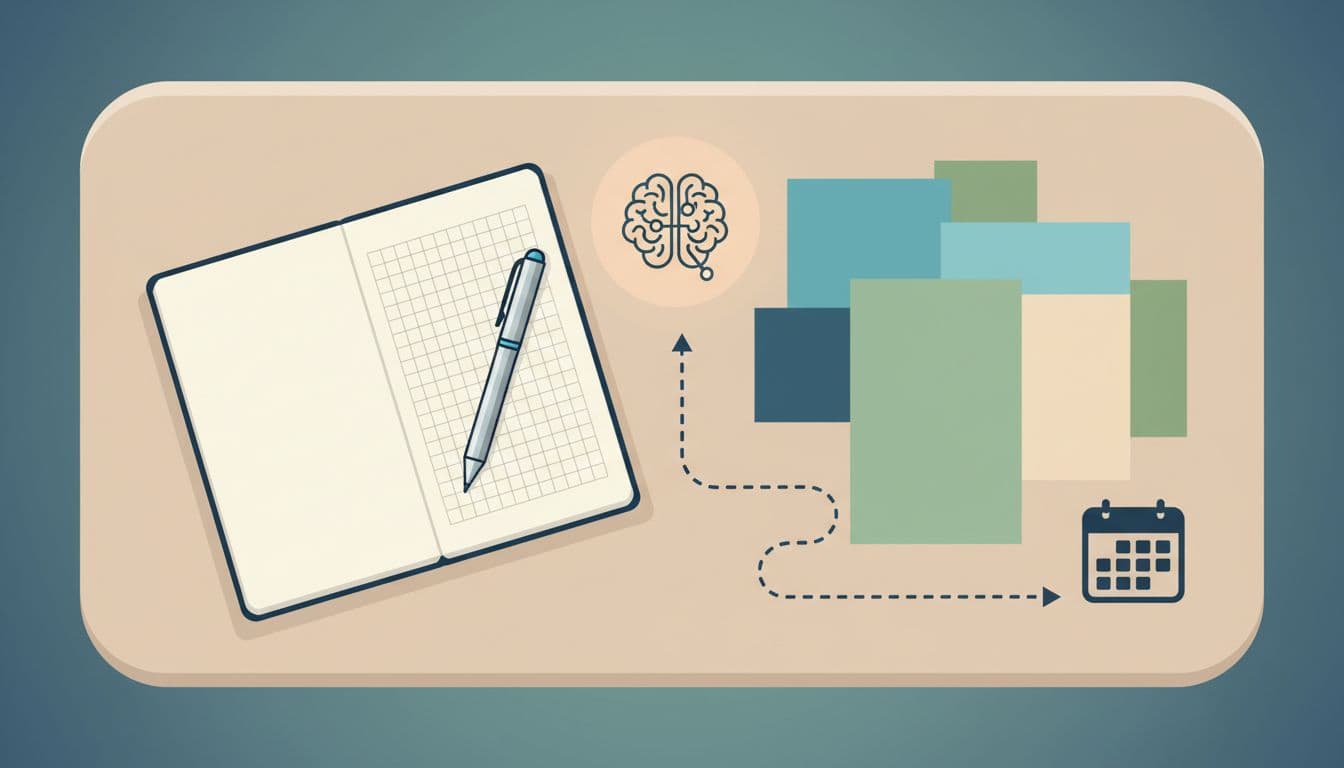
I like to map out the first 20 posts before writing anything. Not because every blog post title has to stay fixed, but because planning keeps your editorial calendar focused. When you have a clear plan, you avoid the common pitfalls that often derail new sites, such as choosing the wrong domain name or settling for unreliable web hosting.
Start with one person in mind. Instead of targeting everyone, perform some initial keyword research to identify the specific needs of your blog niche. Picture one reader with one problem. What are they confused about? What are they searching for at 11 p.m.? What mistake are they about to make?
Then build your ideas around four simple buckets designed to serve your target audience:
- beginner basics
- quick wins
- common mistakes
- next-step decisions
Reflect on the goals of your first blog posts and how each piece fits into your larger narrative.
That framework keeps your early content balanced. You won’t end up with fifteen opinion posts and no practical help.
As you plan, remember that high-quality images and visuals are essential for keeping your readers engaged. If blog language still feels fuzzy, keep this glossary of must-know blogging terms nearby. It clears up the stuff that slows new writers down.
A new blog does not need twenty clever ideas. It needs twenty useful answers for the same kind of reader.
Each of your first blog posts can serve as a stepping stone for future content that builds upon previous insights.
One more thing, and this matters. Do not plan only broad topics like email marketing or meal prep. That is too loose. Plan actual post angles. How to start an email list without a lead magnet is a post. Email marketing is a category.
Once you do this, the whole blog starts to feel lighter. You are no longer waking up and asking, “What should I write today?” You already know. Now you are choosing the best one to publish next.
Remember, your first blog posts are the foundation of your blogging journey, so make them count.
The first five posts should explain your blog’s core topic
These opening posts tell readers where they are and why they should care. They also make your site easier to index and improve your visibility in search engine results, which is a nice side effect.
LOOK HERE for your AI-Powered Affiliate tools and training, read my review on IncomeLegion.com.
To maximize the impact of your first blog posts, focus on creating a clear narrative that guides readers.
1. Write a plain-English guide to your main topic. This introductory post is where you explain exactly what your site covers. Keep it simple. If your niche is home coffee, explain what good home coffee means, what beginners get wrong, and where to start.
2. Create a beginner roadmap. New readers love sequence. Give them the stages, steps, or building blocks in order. A roadmap post helps people stop guessing.
3. Publish a common mistakes post. This is often the best first blog post because readers already know they are probably doing something wrong. Call out five to seven avoidable mistakes and explain the fix in plain language.
4. Tackle a myth or bad piece of common advice. Every niche has a few ideas that sound smart but waste time. Push back on one of them. This helps readers see that you have a point of view, not recycled fluff.
5. Share your basic starter setup or process. Walk through what you use, what order you do things in, or how you approach the work. This does not need to be advanced. It needs to be honest.
These first five posts should make a stranger think, “Okay, this blog knows what it is about.” That is the goal. Not perfection, not polish, not genius. Clarity.
The next five posts should solve specific problems people search for
Now you move from broad orientation to direct help. These posts tend to bring in your earliest search traffic because they answer clear questions.
6. Show how to do one basic task step by step.
Pick something small enough to explain well. New bloggers often go too wide here. When you write a blog post that teaches a single useful task, it beats one giant article that tries to do everything.
7. Compare two beginner options.
People search for comparisons when they are close to action. Think about comparing WordPress versus Substack for a personal blog or a manual espresso grinder versus an electric one for beginners. Decision content pulls in ready readers.
8. Publish a checklist-style post.
A checklist works because it reduces mental clutter. Your reader does not want more theory. They want to know what to remember before they polish their first draft, hit publish, buy the tool, or start the project.
9. Answer a troubleshooting question.
This kind of post is gold because it meets readers right at the point of frustration. Fixing one annoying problem can win more trust than a big inspirational guide.
10. Write the short post that answers a recurring question fast.
Not every post needs to be a deep essay. Some of your best early pieces will be tight, direct answers to simple questions people type into search bars.
I like these posts because they pull double duty. They help readers now, and they also show you what part of the topic people care about most. That feedback shapes your next 20 posts.
If you are stuck, listen to your own browsing habits. What do you search for when you are confused? Your readers are not that different.
The third set of five posts should build trust and personality
This is where your blog stops sounding like a collection of tips and starts sounding like it belongs to a real person.
11. Tell the story behind the blog.
Not a life story, and not a puffed-up brand tale. Give readers the real reason you started, what problem pulled you in, and what you have learned so far. This is also a perfect opportunity to link back to your about page to help new visitors connect with your mission.
12. Share a small case study or result.
You do not need a massive win. If you tested something, improved something, or learned something the hard way, write about that. Readers trust specifics.
13. Publish an opinion post on common advice in your niche.
This works when you stay grounded. Do not rant for attention. Take one popular tip, explain where it helps, and show where it falls apart.
14. Curate your best resources for beginners.
Readers love a thoughtful resource list when it saves them time. Books, tools, blogs, templates, channels, podcasts, whatever genuinely helped you.
15. Build an FAQ post from beginner questions.
This is one of the most practical pieces of content to create early on because it mirrors how people think. They do not arrive with a full strategy; they arrive with ten messy questions. Adding this as a first blog post helps you address common pain points immediately and positions you as a helpful authority.
Trust comes from usefulness, but it also comes from voice. Let readers hear you. Let them see how you think. A blog with no personality is harder to return to, even when the information is solid.
The last five should prepare your blog for growth
By this point, you don’t only want more content. You want content that connects, guides, and opens the next stage of the blog.
These first blog posts should also encourage interaction and dialogue to foster community among your readers.
By clearly defining what your first blog posts achieve, you enhance reader satisfaction and retention.
16. Create one pillar post you’ll keep improving.
Choose a topic central to your niche and make this one your anchor. As a vital part of your content strategy, this post should be broad enough to support internal links, but focused enough to stay useful for years to come.
17. Write a “best of” roundup from your own site.
Yes, even early. A roundup post helps new visitors find your strongest material fast. It also starts training you to think like an editor, not only a writer.
18. Compare a free option and a paid option.
This kind of post works well once you’ve used both sides. Readers want help making smart decisions, not a sales pitch. Be fair, show trade-offs, and say who each option fits.
19. Publish a transparent tools or resources post.
Only do this if you can speak from experience. A tool’s post written too early feels hollow. A tool post built from real use can become one of the most helpful assets on the blog.
20. End the first batch with a “what to read next” style post.
This can be a next-steps guide, a series hub, or a reader path for beginners. The point is simple. Use a clear call to action so you don’t make people guess where to go after reading one article.
These final five posts begin to turn a collection of blog content into a structured site. That’s when momentum gets easier. Readers move around more. You see clearer patterns in your analytics. Writing the next month of content stops feeling random.
And that matters. A blog grows faster when the content points somewhere.
What usually goes wrong with a new blog’s opening posts
With thoughtful planning, your first blog posts can lead to a cohesive and influential blogging journey.
When writing these first blog posts, always keep your audience’s needs and preferences in mind.
As you refine your skills, your first blog posts will evolve, showcasing your growth as a writer.
I have seen new bloggers make the same handful of mistakes over and over. Most of them come from trying to sound impressive too early.
The first mistake is chasing variety for its own sake. One post on affiliate marketing, one on productivity, one on mindset, one on AI, one on travel, all in the same first week. That is not a range. It is confusing.
Another problem is writing only what you want to say, instead of what readers need first. Your niche hot take can wait. Your audience’s beginner questions cannot.
Effective first blog posts are those that leave readers wanting more and eager to explore related topics.
A third mistake is starting with only broad topics. Big subjects feel important, but they tend to produce vague posts that lack a unique perspective. In many cases, relying too heavily on AI writing tools to generate these broad pieces leads to generic content that fails to capture your voice. Smaller, sharper angles usually help more and rank sooner.
Readers appreciate authenticity, so be genuine in your delivery within your first blog posts.
Your first blog posts should serve as a guide for readers to understand your perspective on the subject matter.
Then there is the temptation to try to make money blogging before trust exists. I get it. A new blog often starts with big hopes. But readers can tell when a post exists only to push a product. Focus on being helpful first, and keep the promotional content for later.
Incorporating your personal experiences into these first blog posts adds depth and relatability.
One of the biggest fixes is simple. Before you publish a post, ask where it leads. Does it connect to two or three other articles on your site? Does it make the blog stronger as a whole? Finally, do not overlook the power of diligent proofreading. A polished, error-free article does much more to establish your credibility than a rushed draft. If a post does not improve your site’s overall quality or connection to your readers, it might still be a decent piece, but it may not belong in your first 20.
Consider the feedback you receive on your first blog posts to shape future content direction.
Frequently Asked Questions
Do I need to be an expert to write these first 20 posts?
No, you do not need to be a long-time expert to start. Being one or two steps ahead of your audience is enough to provide value, provided you are honest about your experiences and focus on helping others solve the problems you have already navigated.
Emphasize the benefits of following along with your first blog posts and how they can help readers achieve their goals.
Should I worry about monetizing my blog immediately?
It is better to prioritize building trust and providing useful content first. Readers can quickly sense when a new blog is focused purely on pushing products, so save your promotional efforts for once you have established your voice and gained a loyal readership.
Each of your first blog posts can contribute significantly to the overall learning experience for your audience.
How strictly should I follow the 20-post plan?
Ultimately, your first blog posts should align with your overarching goals as a writer and blogger.
As you craft your first blog posts, remember to revise and polish them to enhance clarity and engagement.
Think of the plan as a flexible foundation rather than a rigid cage. While having a roadmap is essential to avoid aimless posting, you should feel comfortable adjusting your titles or topics based on the feedback and questions you receive from your readers as you go.
Is it a bad idea to use AI to help with these posts?
AI can be a useful tool for outlining and brainstorming, but relying on it too heavily often leads to generic, surface-level content. Use it to support your work, but ensure your unique voice and personal perspective remain at the center of every post you publish.
Conclusion
A new blog does not need a dramatic launch. Instead, it needs a smart opening run of posts that answer real questions, showcase your unique voice, and make the next click easy for your readers. By the time you refine your blog theme and establish your site’s aesthetic, you will have a solid foundation for your content.
If you map your first 20 posts with intention, you are no longer staring at an empty site. You are building a body of work, one useful piece at a time. Once you have this initial library, you can start to promote your blog through social media to build a consistent audience. As your traffic grows, you might even consider integrating Google AdSense to monetize the value you are providing.
If you want feedback on your ideas and a place to grow with other creators, check out theBlogMan Academy on Skool and the free-to-join theBlogMan Academy of Content Creation. A focused start beats a flashy one, every time.
This post may contain affiliate links. If you make a purchase through these links, I may earn a small commission at no extra cost to you.


This post was filled with some massive actionable items that if you use will help your blogging for sure! Thanks for dropping these gems!
Glad you like them SHawn and thanks for being a regular reader, we love regular readers.