

If your blog ideas feel thin, you are likely starting in the wrong place. When building an effective content strategy, you will find that the strongest pain point blog posts rarely begin with inspiration. Instead, they begin with irritation.
By recognizing these pain points, you can create pain point blog posts that resonate deeply with your audience.
When creating pain point blog posts, always keep the reader’s perspective in mind.
These pain point blog posts can help you connect with your readers on a personal level.
The most successful articles address the specific challenges faced by your target audience. When I looked back at the posts that earned the most clicks, replies, and bookmarks, they all had one thing in common. They answered a problem someone was already stuck on. That is why reader pain points matter so much when creating pain point blog posts.
Once you learn how to spot those problems and frame your content around them, blank page syndrome becomes much easier to overcome.
Table of Contents
Key Takeaways
Creating pain point blog posts requires understanding your audience deeply and addressing their needs directly.
- Solve, don’t just write: The most successful blog posts stop focusing on general topics and start providing specific solutions to the actual frustrations your audience faces.
- Capture the raw language: Pay attention to how your readers phrase their struggles in comments, emails, and community discussions; use their exact words in your headlines and intros to build immediate rapport.
- Turn problems into a system: Don’t rely on random inspiration. Instead, document recurring questions and frustrations to build a library of proven, demand-driven content ideas.
- Focus the promise: Each article should tackle one specific pain point well, offering a clear outcome that helps the reader move from a state of frustration to relief.
Writing pain point blog posts can lead to meaningful discussions and engagement.
Addressing common pain points in pain point blog posts can dramatically increase reader interest.
Readers appreciate pain point blog posts that offer solutions to their most pressing issues.
Why pain point blog posts pull readers in
Effective pain point blog posts can help turn challenges into opportunities for your readers.
By focusing on pain point blog posts, you can create content that genuinely helps readers.
Transforming your insights into pain point blog posts is crucial for audience growth.
Utilizing pain point blog posts will significantly enhance your content strategy.
Listen to your audience and create pain point blog posts that address their needs.
People do not search because they are bored. They search because something is not working, feels confusing, or keeps getting delayed. That tension, rooted in specific audience pain points, is what gives a blog post its energy.
Gather insights from your community to inform pain point blog posts.
Brainstorming around pain point blog posts can unlock new pathways for your content.
A broad topic is not enough on its own to drive results. For example, affiliate marketing is just a general topic. In contrast, stating that you have traffic but no one clicks your affiliate links is a specific struggle. While a topic names the subject, a pain point names the obstacle. When you shift your content creation strategy to focus on these hurdles, you stop writing generic posts and start providing genuine utility.
That difference changes everything. It changes your headline, your introduction, your examples, and even the order of your subheadings. When you write from the struggle first, the post feels relevant before the reader reaches paragraph two.
I have found that new bloggers often chase subjects they think they should cover. They write about how to start a blog, SEO basics, or how to make money online. Those can work, but only if they touch a live problem underneath the surface. Maybe the reader is scared of choosing the wrong niche, maybe they do not understand hosting, or perhaps they have been posting for months and feel invisible.
The best pain point blog posts meet the reader right at that pressure point. They say, in plain English, that this is the problem you are having, and here is how to move it forward.
That is why these posts usually perform better than random idea dumps. They are not built around what you feel like saying. Instead, they are built around what the reader needs help solving.
Where to find the questions your readers keep asking
You don’t need a giant audience to find useful pain points. You need to pay attention. Even a small blog provides plenty of clues for identifying pain points if you know where to look. By performing consistent market research through your existing channels, you can turn small interactions into a content strategy.

I started noticing this when the same kinds of questions kept showing up in different places. One person would leave a comment. Another would send a message. A third would phrase the same problem in a totally different way. That repetition is gold.
A few places tend to give the best material:
- Blog comments and email replies serve as valuable customer feedback that shows what confused people after reading your post.
- Social media replies and direct messages reveal what readers still do not understand.
- Through social listening in forums, Facebook groups, and niche communities, you can see how your future readers talk when they are frustrated.
- Product reviews expose the gaps between what people expected and what actually happened.
- User research, including checking search suggestions and related queries, hints at exactly what people type when they are stuck.
The wording matters as much as the question itself. If someone says, “I keep overthinking my niche,” that is stronger than writing down “niche selection.” The first version carries emotion. The second sounds like a folder name.
This is also why communities help so much. Inside theBlogMan Academy on Skool, one simple question can spark several content ideas because you get to hear the real language creators use when they are stuck. That is what you want to capture.
Explore various angles when drafting pain point blog posts to keep content fresh.
Keep a plain note on your phone or a document on your laptop. Every time you see a repeated frustration, save the exact phrasing. Do not polish it yet. Raw language is usually better than clever language.
Turn one problem into a stronger blog angle
Highlight specific readers’ pain points in your pain point blog posts to enhance relatability.
Creating relatable pain point blog posts can increase your audience’s engagement.
A reader’s pain point is a starting point, not a finished title. Your job is to shape it into a post angle with a clear promise. Remember, high-quality blog content is not just about chasing high search volume or stuffing SEO keywords into your text; it is about finding the emotional angle that resonates with your audience.
When you address pain point blog posts effectively, readers will appreciate your efforts.
Readers will return for more pain point blog posts if they find your content helpful.
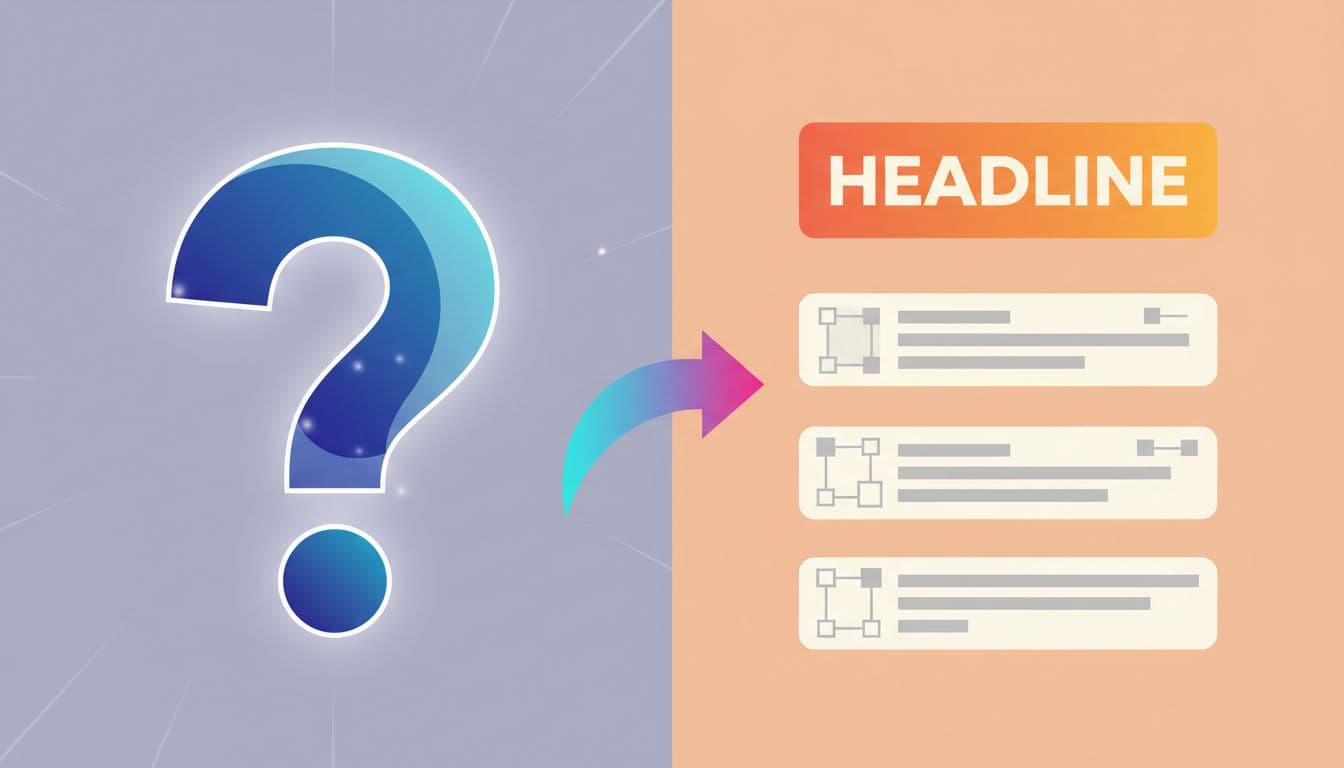
The easiest way to do that is simple. First, name the frustration. Next, decide on the smallest useful outcome you can help create. Then choose the format that fits the fix. Some problems, such as financial pain points, need a listicle or a case study. Other productivity pain points might need a how-to post, a checklist, or a mistake-based article.
Starting with a strong problem in your pain point blog posts can guide your writing’s direction.
Quick wins in pain point blog posts will keep readers interested and engaged.
Convey genuine empathy in your pain point blog posts to build a stronger connection.
Here are a few examples of how that shift looks:
Avoid pitfalls in pain point blog posts to maintain credibility with your audience.
Turn recurring themes into regular pain point blog posts for consistent content creation.
Systematizing your approach to pain point blog posts will yield fruitful results.
| Weak topic idea | Real reader pain | Stronger blog angle |
|---|---|---|
| Blog niches | I can’t choose a niche without second-guessing it | How to Choose a Blog Niche When Every Idea Feels Wrong |
| Pinterest traffic | My pins get seen but nobody clicks | Why Your Pinterest Pins Get Impressions but No Traffic |
| Writing faster | My posts take forever to finish | How to Write a Blog Post Faster Without Lowering the Quality |
The stronger angle always feels closer to real life. It sounds like something a person would say out loud.
Utilize pain point blog posts to create a better understanding of your audience’s needs.
By focusing on pain point blog posts, you can establish authority in your niche.
I also like to ask one extra question before drafting: “What happens if this problem does not get fixed?” That helps you understand the stakes. If a reader cannot choose a niche, they do not start. If they cannot write faster, they publish less. If they cannot get clicks, they lose confidence. Suddenly, the post has tension, not fluff.
Use the reader’s own words whenever you can. Those words often belong in the title, the intro, and at least one subheading. If beginners read the post, keep the language simple. If you need a quick refresher on terms, this guide to common blogging terms and definitions is handy.
One more thing, do not try to solve five different problems in one article. Pick one struggle and solve it well. Readers trust focused help.
Write the post so the reader feels relief fast
Once the angle is clear, the writing process becomes much easier for a professional content writer. You already know what hurts, what outcome matters, and what kind of help the reader wants.
If the title touches pain, the body has to provide relief.
That means your opening lines cannot wander. Start by naming the problem in a way the reader recognizes. Then tell them why it happens, or why it feels harder than it should. This short stretch of empathy improves the customer experience because the reader feels seen rather than sold to.
After that, move quickly into the fix. I like posts that offer one fast win early. It does not have to solve the whole issue. It only has to prove the reader is in the right place. If someone is struggling to come up with blog ideas, a simple suggestion like saving repeated questions in one running note gives them immediate traction.
Then go deeper. Break the solution into steps that match the reader’s current customer journey. New bloggers need clarity and plain language, while intermediate bloggers often need a better process, sharper examples, or a way to connect one post idea to a bigger content plan.
This is where storytelling helps. If you have made the same mistake, say so. If a certain fix worked for you after months of doing it the hard way, include that detail. It makes the post feel lived-in and authentic.
What does not work is writing as if the reader caused the problem through laziness. Effective pain point blog posts should feel honest, not manipulative. You are not poking a bruise for clicks. You are helping someone get unstuck.
Create a repeatable system so ideas stop drying up
The real win is not just one strong post. It is building a system that keeps turning reader friction into future content. Developing this process also helps you define a more accurate ideal customer profile because you are constantly learning what your audience actually needs.
Remember to revisit your pain point blog posts regularly to ensure they remain relevant.
Engaging with readers about pain point blog posts will encourage ongoing dialogue.
Ultimately, pain point blog posts will enhance the value you provide to your audience.
I keep this simple. Every time I notice a question, I log four things: the problem, the exact wording, the kind of reader asking it, and the next question that usually follows. By gathering this behavioral data, you begin to see that one pain point often leads to a series.
A reader asks, “How often should I publish?” That can branch into several posts. One post covers realistic publishing schedules. Another explains how to batch content. A third shows how to update older posts when time is tight. Suddenly, one question has become a small content engine dedicated to solving problems.
This also helps you stop guessing what to write next. Instead of chasing fresh ideas every week, you work from a bank of proven frustrations. Because you are responding to actual needs rather than speculating, you will likely see your engagement rates improve. Some ideas will fit beginners, while others will suit bloggers who have already published 30 posts and want better traction. Either way, the ideas have a clear reason to exist.
Over time, you start seeing patterns. The same obstacles come back in different clothes. That is useful because it tells you which problems deserve cornerstone posts, follow-up posts, and maybe even tutorials, emails, or short videos.
When you build around recurring reader problems, your content gets sharper. It also gets easier to plan because you are not inventing demand. You are simply responding to it.
Frequently Asked Questions
How do I know if my blog idea is a real pain point?
A real pain point is evidenced by repetition. If you see the same question appearing across your comments, social media, or niche forums, it is likely a widespread struggle that your audience needs help solving.
Should I use formal or casual language when writing about pain points?
You should use the language your audience actually uses. When you repeat their specific phrases back to them, it shows empathy and proves that you understand their unique situation better than a generic, formal post would.
Can one pain point lead to multiple blog posts?
Yes, and it is a highly effective strategy. One broad frustration can act as a hub that leads to several specific posts, such as a high-level guide followed by smaller articles that cover batching, tools, or specific step-by-step processes.
What if I don’t have a large audience yet to gather feedback from?
You don’t need a huge following to identify pain points. Spend time in Facebook groups, Reddit threads, and other niche communities to observe the questions people are asking and the specific language they use when they are stuck.
Conclusion
The posts people remember usually fix a headache, answer a nagging question, or save them an hour. That is the power of pain point blog posts, as they give every article a clear job. By consistently solving these problems, you improve your conversion rates and streamline your customer acquisition process. When your content serves as a reliable resource, you build lasting brand loyalty because readers know exactly where to go when they need answers.

If you are staring at a blank draft, do not ask what you want to write today. Ask what your reader is stuck on today. You can even use your successful posts as case studies to showcase your expertise and prove that you understand your audience. Addressing these specific challenges is one of the most effective ways to hit your marketing goals while providing genuine value.
If you want a place to test ideas, compare notes, and learn with other creators, join theBlogMan Academy of Content Creation.
This post may contain affiliate links. If you make a purchase through these links, I may earn a small commission at no extra cost to you.
Wow, this post was so freaking awesome. Lots of actionable tips that if used will lead to massive success. Thanks so much for sharing and will be adding to my Blog posting arsenal!
Glad you like it Shawn I have like 7 posts in a back log will come out shortly. I programmed them last month into a content caledar with auto-poster and it hiccuped and didn’t send them on time, now I have it all sent to the blog but is still in Draft mode and I have to get the SEO finished as well.
This was a very helpful article, Andy. I especially liked the point that strong blog posts usually begin with a reader’s irritation or confusion, not just a broad topic idea. That is such a practical way to think about content creation, especially for newer bloggers who often struggle with “what should I write next?”
The examples comparing a weak topic idea with a real reader pain point made the concept much clearer. I also appreciated your reminder to capture the exact words readers use in comments, emails, and communities. That makes a post feel much more personal and useful instead of generic.
One question I had while reading: when you collect reader pain points, do you recommend organizing them by topic category, by audience stage, or by urgency? I can see how one repeated question could turn into several related blog posts, and having a simple system for sorting those ideas would be very helpful.
It depends on the situation of each group of links. If they look great for a series these post are great for lowering bounce and increased repeat visitor traffic. I don’t do much at this time beyond that.
This post really resonated with me as a new blogger who’s still struggling to get traffic and keep readers engaged. I often wonder if my content isn’t connecting deeply enough, or if I’m missing the mark by focusing too much on broad topics instead of the specific frustrations my audience might actually be facing.
I like how you emphasized capturing the raw language of readers and turning repeated questions into blog angles; it makes me realize I should pay closer attention to comments, forums, and even casual conversations to find those pain points. I’m going to try shifting my focus from “what do I want to write today” to “what problem is my reader stuck on today.”
From your own experience, did you notice a big difference in engagement once you started writing directly to pain points?
I have, not just in terms of the pain points that bring people onto the blog creating more questions and deeper conversations but by engaging back and asking follow up questions we can keep the conversation rolling. The end result is more subscribers and that shows in terms of repeat visitor traffic. This particular blog is new but we already are seeing reader buy in and true regulars showing up article after article.